
How Diet and Lifestyle Impact Glucose Health
Blood sugar balance is at the core of energy, mood, weight control, and disease prevention. Yet most people don’t think much about how their daily choices — especially diet and lifestyle — impact glucose metabolism. Whether you're looking to avoid type 2 diabetes or simply want more stable energy and less sugar crash, understanding this relationship is crucial.
The Role of Diet in Blood Sugar Control
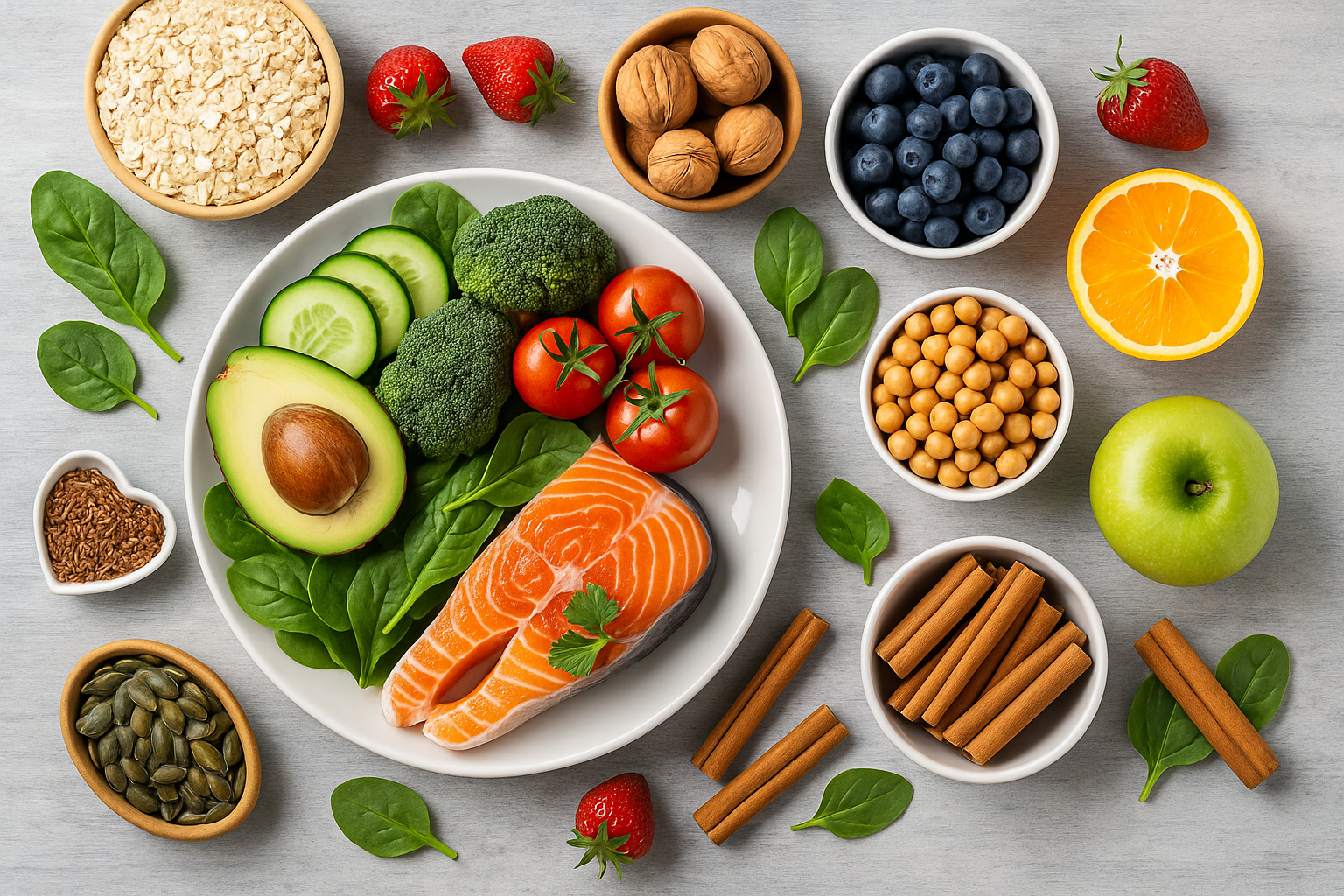
The types of food you eat can raise or stabilize blood glucose levels. Simple carbohydrates — like white bread, sugary cereals, and pastries — cause rapid spikes in blood sugar. These spikes are followed by crashes that leave you feeling tired, hungry, and irritable.
On the other hand, complex carbs like oats, quinoa, and legumes digest more slowly. They provide a steady source of glucose, preventing extreme highs and lows.
Proteins and healthy fats further slow down the absorption of glucose. Including lean meats, avocados, nuts, and seeds in your meals can enhance insulin sensitivity and promote long-term glucose balance. Even combining certain foods—such as eating a banana with almond butter—can reduce sugar spikes.
Meal timing is also crucial. Eating at regular intervals prevents prolonged fasting that can lead to sudden glucose drops, which may trigger cravings or overeating later on.
Glycemic Index and Portion Control
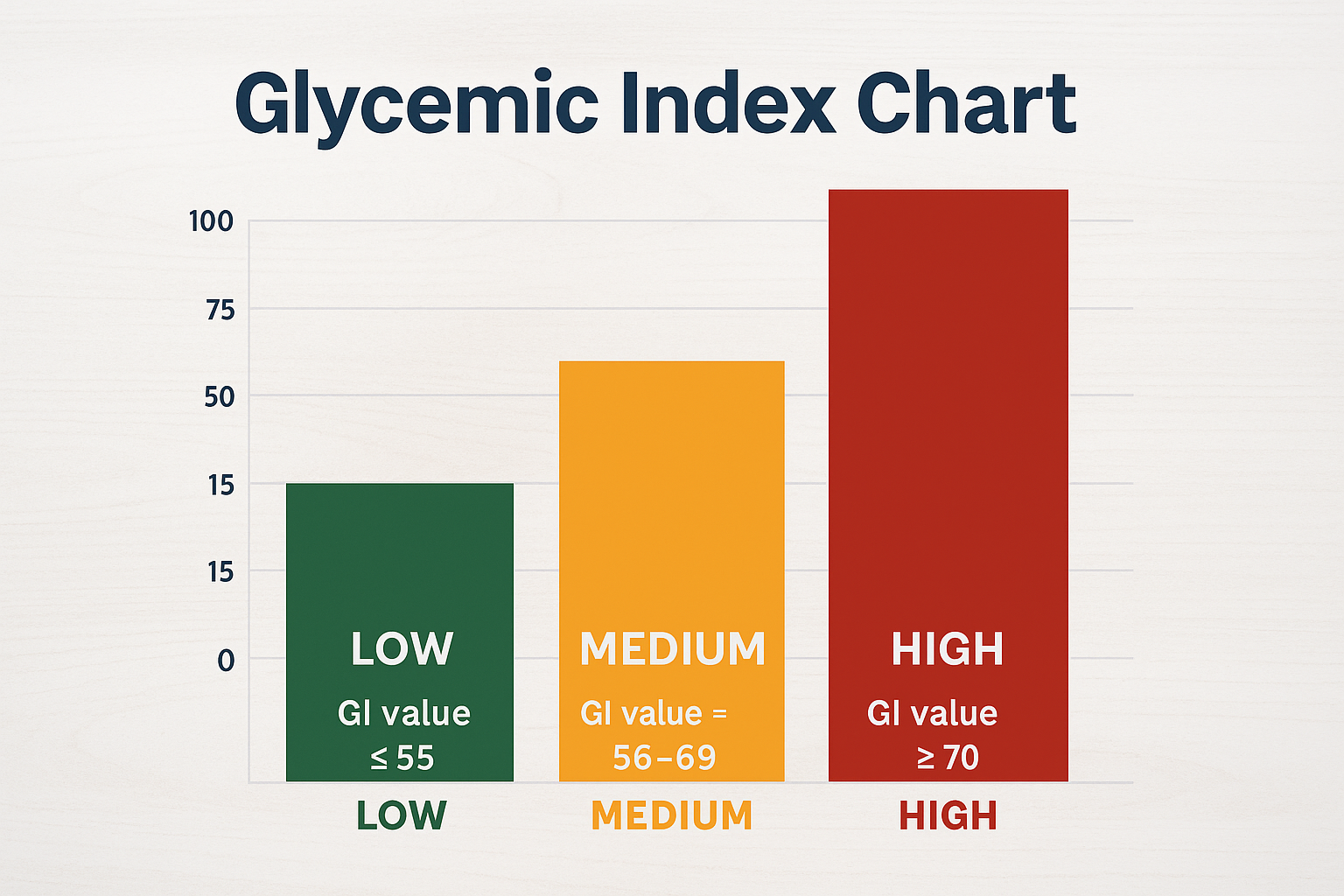
Foods are ranked based on how quickly they raise blood sugar using something called the glycemic index (GI). Low-GI foods include lentils, apples, and barley. High-GI foods include soda, fries, and white rice.
Even healthy food can disrupt blood sugar when eaten in large amounts. Portion control helps avoid overloading your body’s insulin response. Combining fiber-rich and low-GI foods is an effective way to keep your levels steady.
Choosing low-GI foods over high-GI ones helps your pancreas produce insulin more efficiently and can reduce the risk of insulin resistance. Swapping white rice for quinoa or sweet potatoes can make a significant difference in your glucose response.
Lifestyle Factors: Sleep, Stress, and Movement

Beyond food, your habits and daily routines also influence glucose levels. Lack of sleep increases cortisol (the stress hormone), which can impair insulin sensitivity. Chronic stress does the same. Practicing mindfulness, meditation, or even short walks can help lower cortisol and support glucose metabolism.
Exercise plays a key role. Just 30 minutes of brisk walking a day can enhance insulin efficiency, making your body better at clearing excess sugar from the bloodstream. Strength training is also effective—it builds muscle mass, which burns glucose even at rest.
Hydration is another overlooked factor. Dehydration can lead to elevated glucose concentrations in the blood. Drinking plenty of water throughout the day keeps your metabolism functioning properly.
The Impact of Weight and Body Composition
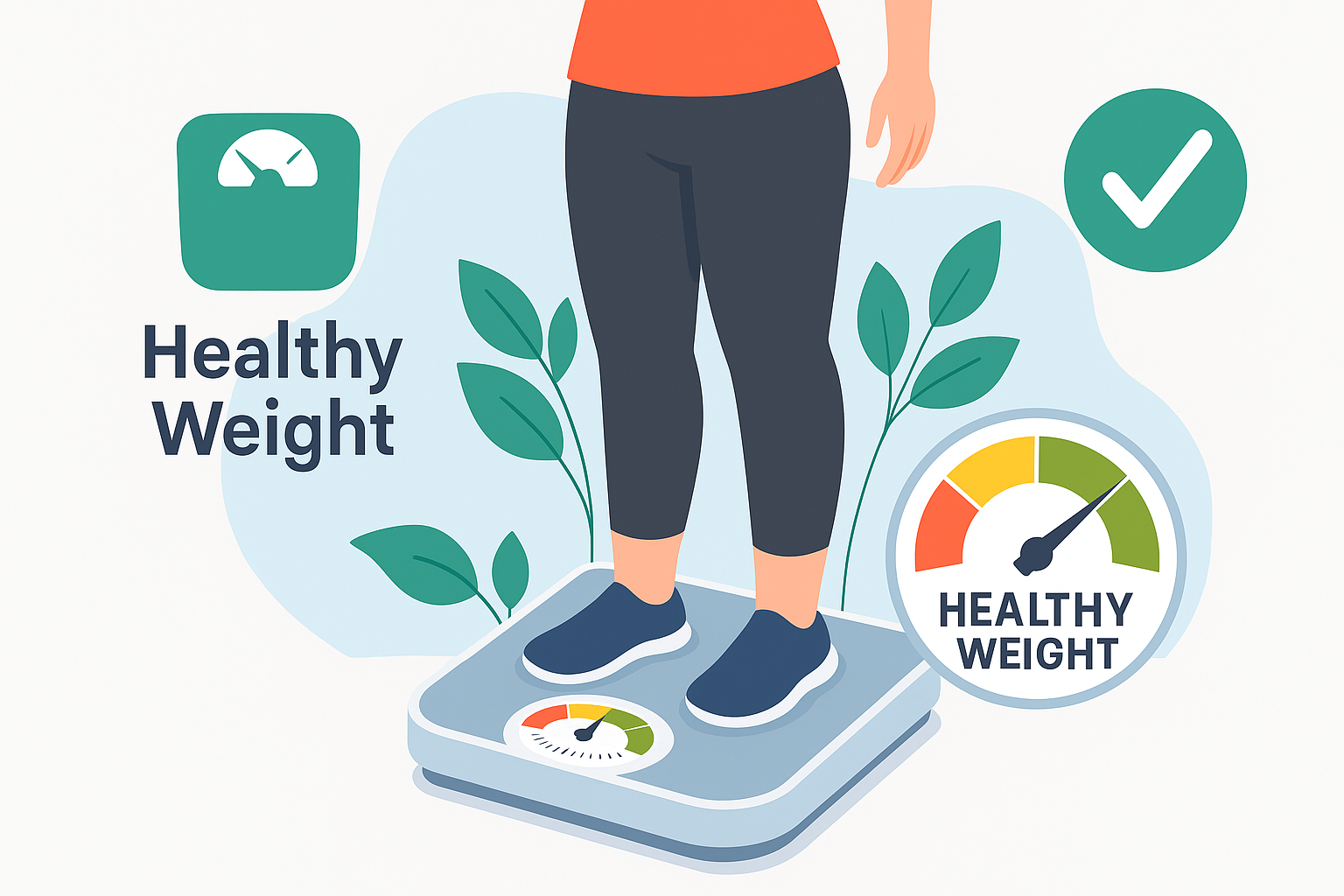
Carrying excess fat, especially around the abdomen, can lead to insulin resistance — a condition where cells don’t respond well to insulin. Over time, this can lead to elevated blood sugar and eventually diabetes.
Losing even 5–10% of body weight has been shown to significantly improve glucose tolerance. Combining nutrition, movement, and mindset shifts can make a huge difference.
Waist circumference is a helpful indicator. A waist size over 40 inches for men or 35 inches for women can be a warning sign of metabolic syndrome—a cluster of conditions that includes high blood sugar, high blood pressure, and excess body fat around the waist.
Smart Tips for Better Glucose Health
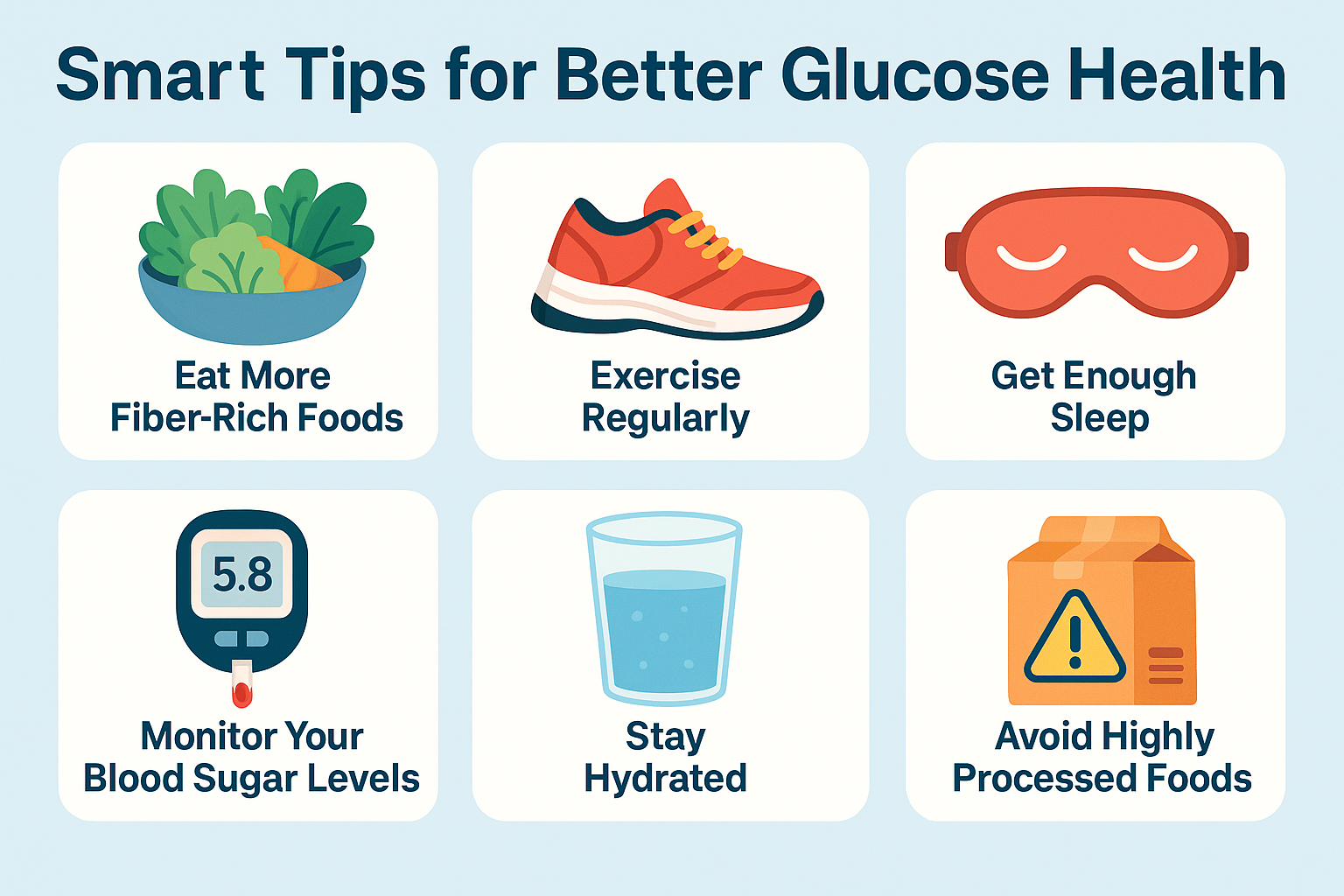
- Eat meals rich in fiber and protein.
- Limit refined carbs and sugars.
- Stay physically active throughout the day.
- Get 7–9 hours of quality sleep each night.
- Manage stress through mindfulness or hobbies.
- Drink water and avoid sugary beverages.
- Track your glucose levels regularly if at risk.
- Limit alcohol and avoid smoking.